



-
Who We Are
Overview
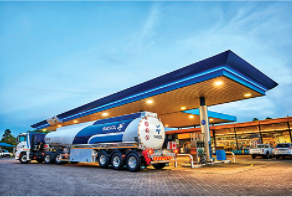
Sasol is a global chemicals and energy company. We harness our knowledge and expertise to integrate sophisticated technologies and processes into world-scale operating facilities. We safely and sustainably source, produce and market a range of high-quality products, creating value for stakeholders.
-
Our Businesses
Overview
Through proprietary technologies and processes the main products Sasol produces are fuel components, chemical components and co-products. From these main products and further value-adding processes we deliver diesel, petrol (gasoline), naphtha, kerosene (jet fuel), liquid petroleum gas (LPG), olefins, alcohols, polymers, solvents, surfactants, co-monomers, ammonia, methanol, crude tar acids, sulphur, illuminating paraffin, bitumen and fuel oil. Even further processing produces numerous additional products.
-
ESG
Overview
Advancing chemical and energy solutions that contribute to a thriving planet, society and enterprise.
-
Investor Centre
Overview
Sasol's investors consist of both equity investors (those invested in the Sasol ordinary shares or the ADRs) and lenders/debt investors (banks and institutional investors lending to Sasol or investing in its issues of debt instruments such as local bonds, offshore bonds, commercial paper issues, project finance, loans and other credit facilities and convertible instruments).
-
Suppliers
Overview
Supply Chain is the custodian of all external spend for the Sasol Group. It is responsible for managing supply and demand so as to ensure cost-efficiency and maximise return on spend, while at the same time ensuring effective logistics of a range of deliverables.
-
Careers
Overview
Explore existing opportunities to energise your career to the next level. Whether you are seeking a Learnership or you are Student or Graduate or Experienced Hire. Find out how you can add value to the Sasol Team.
-
Media Centre
Overview
Access media releases and view latest social media updates
Climate Risk and Opportunity Management

Sasol’s Climate Risk Strategy
Primary Categories of Climate Risk
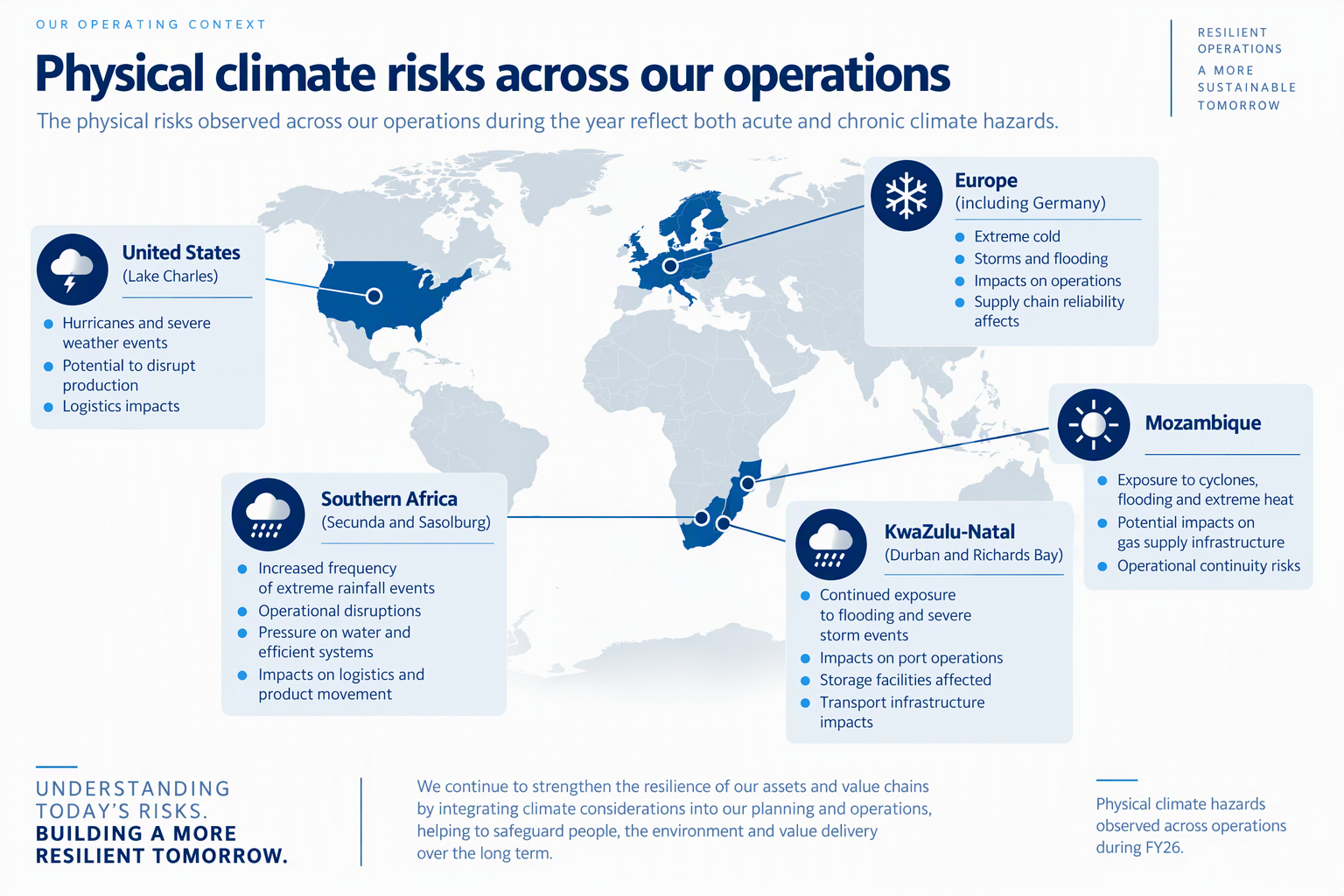
Physical Risks
Direct impacts of climate change on operations—such as extreme weather events, water scarcity, and temperature variability. Sasol monitors these risks at an asset level and has implemented site-specific resilience measures, including water management strategies and infrastructure adaptation.
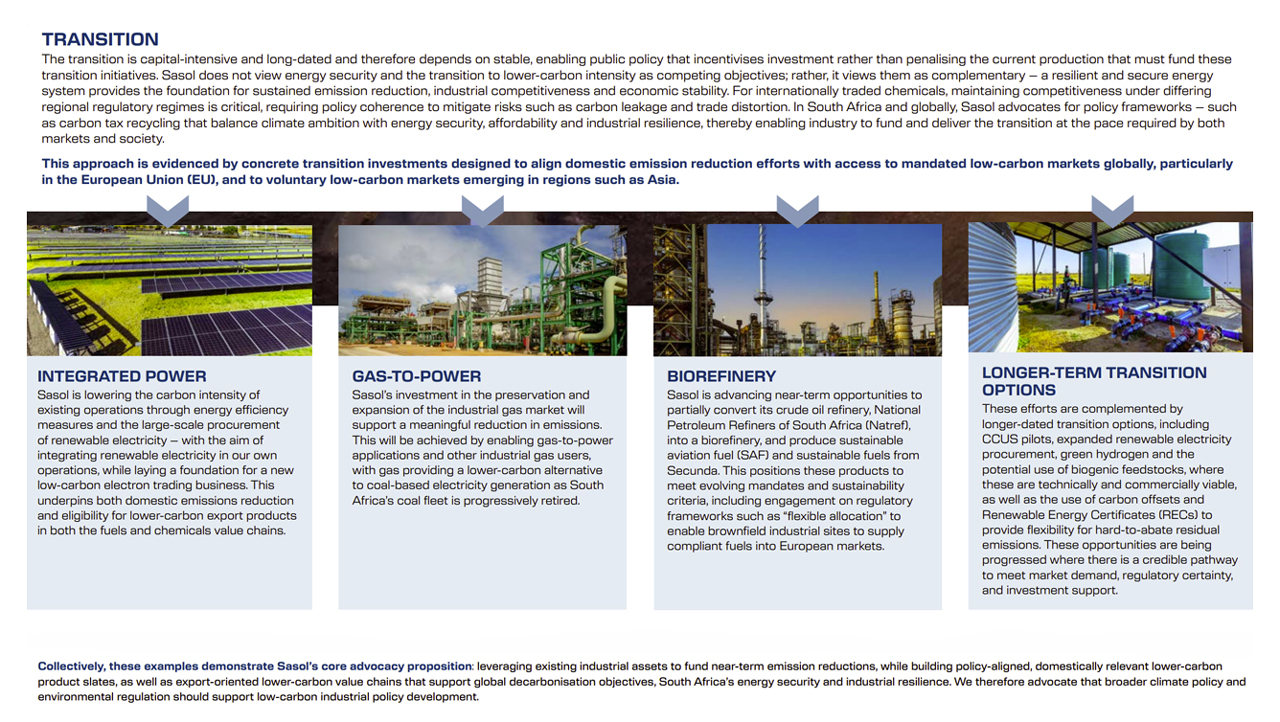
Transition Risks
Risks from the shift to a low-carbon economy, including regulatory changes, evolving stakeholder expectations, energy market shifts, and reputational concerns. Sasol’s decarbonisation strategy addresses these risks to ensure compliance, competitiveness, and continued access to capital.
Sasol’s approach is comprehensive, forward-looking, and embedded into the core of its business strategy. By balancing the mitigation of physical and transition risks with the pursuit of climate-related opportunities, Sasol is positioning itself for long-term resilience and sustainable growth.
The Integrated Report for the period 1 July 2025 to 30 June 2026 includes environmental and sustainability information that is considered material to the Sasol group of companies (Group). This enables us to prepare for progressive incorporation of the new global reporting requirements. Our FY26 Sustainability Report has been developed in accordance with the Global Reporting Initiative (GRI) Standards. These disclosures are referenced from our 2026 Integrated Report.