
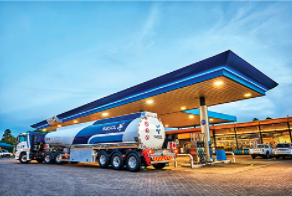
Sasol is a global chemicals and energy company. We harness our knowledge and expertise to integrate sophisticated technologies and processes into world-scale operating facilities. We safely and sustainably source, produce and market a range of high-quality products, creating value for stakeholders.

Through proprietary technologies and processes the main products Sasol produces are fuel components, chemical components and co-products. From these main products and further value-adding processes we deliver diesel, petrol (gasoline), naphtha, kerosene (jet fuel), liquid petroleum gas (LPG), olefins, alcohols, polymers, solvents, surfactants, co-monomers, ammonia, methanol, crude tar acids, sulphur, illuminating paraffin, bitumen and fuel oil. Even further processing produces numerous additional products.

Advancing chemical and energy solutions that contribute to a thriving planet, society and enterprise.

Sasol's investors consist of both equity investors (those invested in the Sasol ordinary shares or the ADRs) and lenders/debt investors (banks and institutional investors lending to Sasol or investing in its issues of debt instruments such as local bonds, offshore bonds, commercial paper issues, project finance, loans and other credit facilities and convertible instruments).

Supply Chain is the custodian of all external spend for the Sasol Group. It is responsible for managing supply and demand so as to ensure cost-efficiency and maximise return on spend, while at the same time ensuring effective logistics of a range of deliverables.

Explore existing opportunities to energise your career to the next level. Whether you are seeking a Learnership or you are Student or Graduate or Experienced Hire. Find out how you can add value to the Sasol Team.

Access media releases and view latest social media updates

Our commitment to supplier sustainability is embedded in the belief that businesses have a responsibility to operate in a way that promotes long-term sustainability, both for their own operations, as well as for the communities and ecosystems in which they operate. Our suppliers are pivotal stakeholders in Sasol achieving its sustainability goals and by working with those who share our values and commitment to sustainability, we collectively impact the environment and society, positively.
Continuous collaboration across business levels ensures our standards regarding our environmental responsibility, social equity, and ethical business practices, are met.
Sasol’s primary objective is to create a sustainable supply chain minimising negative environmental and social impacts while maximizing positive results for all stakeholders. Our aim is to collaborate and work with suppliers committed to continuously improving their own sustainability practices creating a sustainable future for all.
In South-Africa ESG matters are overseen as part of our Supply Chain Governance and Compliance Committee, consisting of the Supply Chain Executive team. This committee directs and prioritise sustainable procurement matters such as updates to the Supplier Code of Conduct, Supplier ESG maturity assessments, Climate Change response, Localisation and Economic Transformation.
General awareness and training on sustainable supply chain practices and ESG matters are provided to the sourcing and contracting teams through presentations, compliance moments and executive discussions.
Our suppliers are invited to participate in training sessions on ethics and compliance in our procurement practices, and the training modules are available for any supplier to access on-line.
The following table outlines key ESG (Environmental, Social, and Governance) performance indicators relevant to procurement activities. These KPIs are designed to support responsible sourcing practices, promote sustainability across the supply chain, and ensure alignment with the organization’s broader ESG objectives.
As a start, Sasol classified significant suppliers in this context as those that we identified to be high risk due to industry or location, and/or all contracted suppliers, and/or high spend (80/20). Exclusions are governmental, intercompany, Human Resource vendors (i.e. medical aid). We aim to continuously refine this list over time.